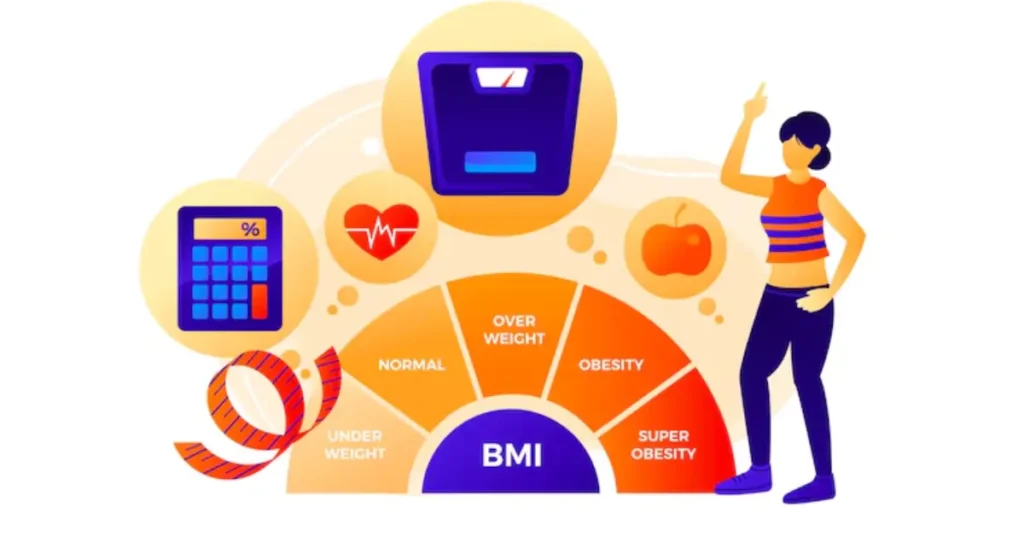
As we age, our bodies change in ways that impact how we manage weight and health. For women over 60, understanding body composition becomes even more important for maintaining mobility, preventing illness, and supporting longevity. The BMI Calculator for Women Over 60 is specifically designed to assess weight in relation to height, adjusted for the unique needs of senior women.
Whether you’re aiming to stay active, prevent chronic disease, or simply monitor your wellness, this tool offers a personalized view of your body mass index to help guide your health journey.
Health Considerations After 60
Turning 60 is a milestone that brings new priorities. Health maintenance becomes more about prevention and quality of life. Here’s how age affects your health and BMI:
1. Slower Metabolism
Your metabolic rate declines by about 1–2% per decade, meaning fewer calories are burned at rest.
2. Muscle Loss (Sarcopenia)
After 60, women begin to lose muscle mass more rapidly—up to 1.5% each year—affecting strength and balance.
3. Increased Fat Retention
Hormonal changes after menopause lead to more abdominal fat, which can increase health risks.
4. Bone Density Decline
Osteoporosis becomes a concern, especially for underweight women. A very low BMI may signal fragile bone structure.
5. Chronic Disease Risks
A BMI that is too high is associated with elevated risks of:
Type 2 diabetes
Hypertension
Heart disease
Stroke
Certain cancers
Maintaining a healthy BMI range helps minimize these risks and improves overall quality of life.
How to Use the Calculator
Using the BMI Calculator for Women Over 60 is simple and intuitive. You only need to input two values: height and weight. Here’s how it works:
Enter Your Height – in feet/inches or centimeters
Enter Your Weight – in pounds or kilograms
Click Calculate – Your BMI result appears with your health category
BMI Formula:
BMI = weight (kg) / height² (m²) For pounds and inches: BMI = (weight in pounds / height in inches²) x 703
Categories for BMI:
BMI
Category
< 18.5
Underweight
18.5–24.9
Normal/Healthy
25–29.9
Overweight
30+
Obese
Normal BMI for Women 60+
Although the general BMI categories apply to adults of all ages, research shows that the healthiest outcomes for seniors may come from slightly higher BMI ranges compared to younger adults.
Recommended BMI Ranges for Women Over 60:
Age
Healthy BMI Range
60–69
22 – 27
70–79
23 – 28
80+
24 – 29
Why These Ranges Are Slightly Higher:
Slightly higher BMI may provide protection against falls and fractures.
A small fat reserve may help during illness or hospitalization.
Very low BMI in seniors is linked to higher mortality due to malnutrition or frailty.
Senior Wellness Tips
Maintaining a healthy BMI is just one part of the picture. Here are science-backed wellness strategies for senior women:
1. Stay Physically Active
Aim for 150 minutes of moderate exercise each week (walking, swimming, or light aerobics)
Include strength training at least twice a week to prevent muscle loss
Add balance and flexibility exercises to reduce fall risk
2. Eat for Strength
Choose lean proteins like beans, poultry, and fish
Eat calcium-rich foods for bone support (yogurt, leafy greens)
Get plenty of fiber for digestion and cholesterol control
3. Hydrate and Sleep Well
Seniors may not feel thirst as intensely—drink water regularly
Aim for 7–8 hours of sleep to support metabolism and immune health
Use a tape measure to track waist size as belly fat is a better risk predictor than BMI alone
Common Questions
Q1: What is the best BMI for a woman in her 60s?
A BMI of 22–27 is often considered ideal for senior women. However, what’s “healthy” also depends on muscle mass, physical activity, and overall lifestyle.
Q2: Is BMI still a reliable health indicator at my age?
BMI is a general guideline, but it’s less reliable in seniors because it doesn’t differentiate between fat and muscle. If you’re fit and active but technically “overweight,” don’t panic—look at waist size and body strength too.
Q3: Should I be worried if my BMI is slightly high?
A BMI between 25 and 27 may still be fine for a woman over 60, especially if you’re otherwise healthy and active. Always consult your healthcare provider for personalized insights.
Q4: What’s more important: BMI or waist circumference?
Both matter. But waist size is more closely linked to heart disease risk. Aim for a waist below 35 inches (88 cm) to reduce risk of diabetes and high blood pressure.
Q5: Can losing weight after 60 be harmful?
Unintentional weight loss in seniors can be a sign of illness. Only lose weight under medical supervision and focus on fat loss, not muscle loss.
🔚 Final Thoughts
The BMI Calculator for Women Over 60 provides more than just a number—it offers a snapshot of your health and risk profile. While BMI isn’t perfect, it’s a helpful tool to start a broader wellness conversation.
Combine your BMI results with regular physical activity, balanced nutrition, and preventative health checkups. Remember, staying strong, mobile, and energized is the real goal—not just being thin.
Use the calculator today and take the first step toward a healthier, happier future.If you want to know BMI Calculator for Women Over 50 check now.